When the world’s second largest copper mine is forced to close overnight, the world’s mining community should take note.
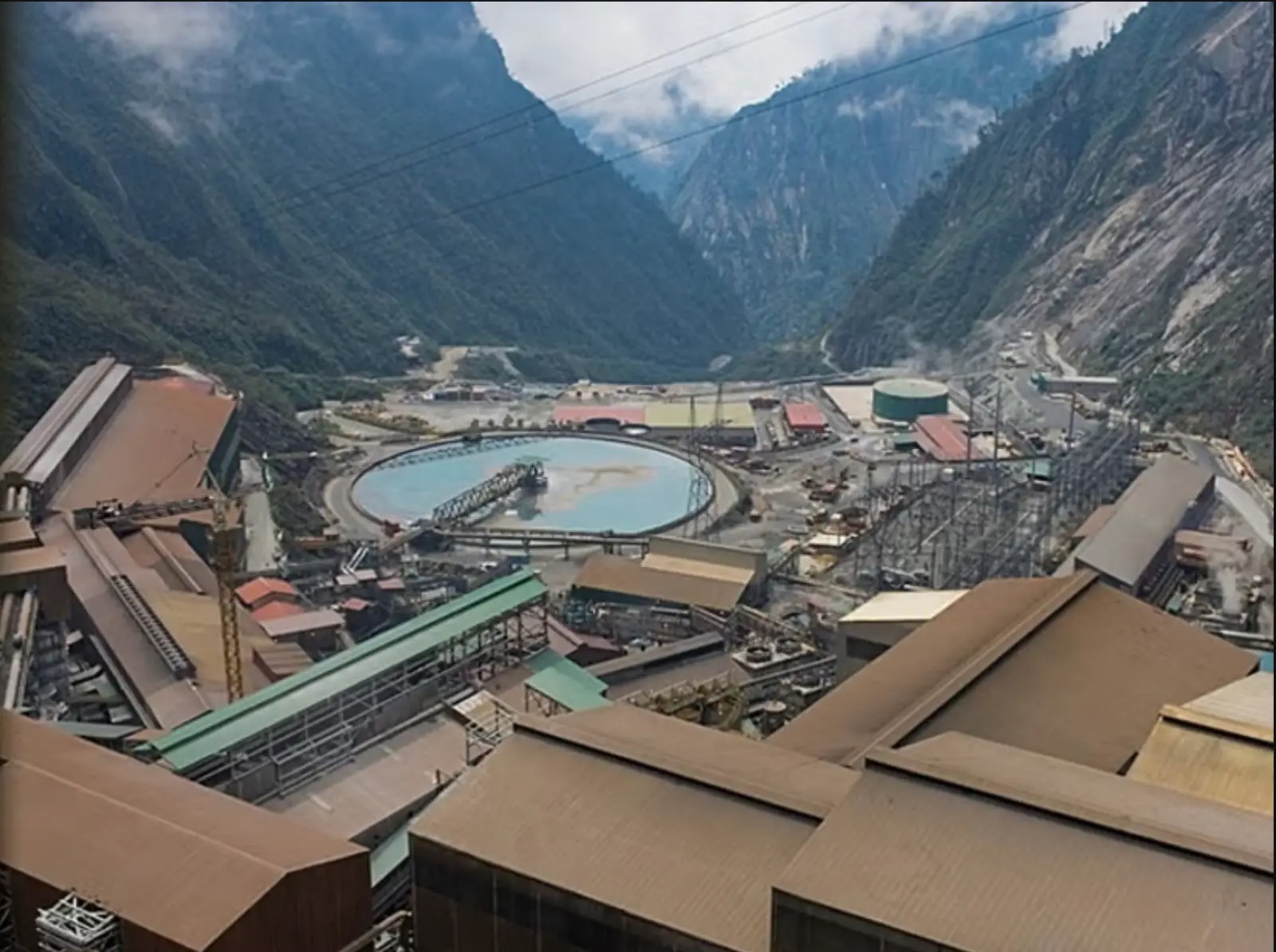
September 8 saw Freeport-McMoRan halt all activities at Indonesia’s Grasberg mine when there was an unforeseen influx of wet material that clogged vital evacuation corridors below the surface, trapping seven miners. The workers locations are verified and the rescue team is working continuously, but the incident sheds a spotlight on the bigger issue: when you’re in mines, safety incidents rarely come with forewarnings.
Incidents like Grasberg highlight this vital question: how can mines detect and respond to invisible perils prior to becoming deadly crises?
Mines have long used sporadic sampling and tardy lab results as means of gauging environmental as well as structural hazards. Though imperative, they’re always retrospective in nature. By the time reports are presented, conditions below the surface may have progressed, sometimes lethally.
The Grasberg disaster is far from an isolated occurrence; across Africa and the world, mines face the same susceptibilities: erratic movement in the ground, dust explosions, and shifting air that endanger people as much as production.
At this point, technology should step in.
“The disaster at Grasberg is a wake-up call for the entire sector,” says Raphael Garcia da Costa, Co-Founder and CTO at Sentinel AI. “Now we have the potential of monitoring the conditions beneath the ground in real time. Operators can see changes as they happen, instead of weeks later, with sensors deployed on vehicles or over shafts. Such insight can be the difference between an efficient evacuation and miners becoming trapped beneath the ground.“
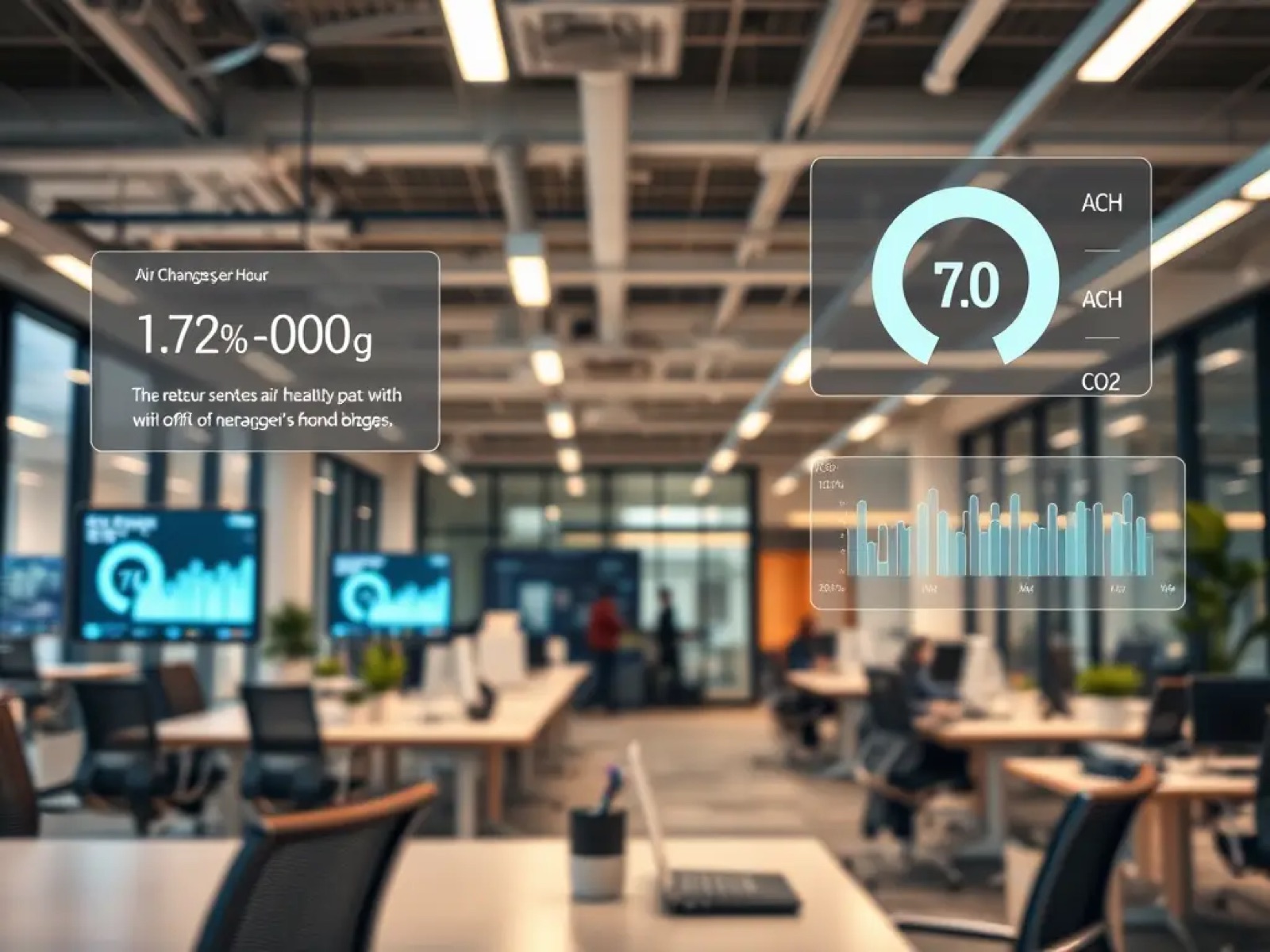
South African Company Sentinel AI’s DustScout system was specifically devised as the solution to exactly this gap — providing vehicle-mounted, continuous monitoring of environmental and dust hazards within construction and mining operations. The concept, nonetheless, extends far more widely than dust: the future of mine safety is rooted in the combination of predictive analytics with IoT-based monitoring in all aspects of the subterranean operations.
The complete closure of Grasberg has world-wide repercussions, being one of the biggest deposits of copper and gold on the planet, even temporary suspensions tend to resonate in commodity markets as well as impacting investor confidence.
For investors, such perils justify why ESG readiness and future-focused protection technology become more and more business imperative. Stakeholders are just as concerned with how mines take the commodity out of the ground as with how they safeguard the worker and the surrounding community.
The Grasberg episode is a lesson that the biggest hazards of mining frequently remain invisible, until far too late.
“We can’t wait until after the event and then get reports as to what’s gone wrong,” says Garcia da Costa. “If the industry is seriously committed to ESG responsibility, resilience, and safety, then real-time analysis should be an absolute standard of the future.“
From Indonesia to Africa, the options are the same: continue responding after the disasters occur, or accept technologies that enable mines to visualise, anticipate, and avoid them.
The Grasberg lesson is very straightforward. Mine safety should happen in real time. This is no longer a matter of convenience, but of accountability. Real-time monitoring gives leaders the ability to act before conditions turn fatal, replacing reactive reports with proactive decision-making. It signals to workers and regulators that compliance is being treated as a living standard, not a checkbox. And it reassures workers that their lives are valued beyond productivity measures. The future of mining is not defined by how quickly we respond to disasters, but by how effectively we prevent them. The technology exists, the question is whether the industry is willing to embrace it.